
Evidence Against Silence
Voices from ChernobylThis flow follows how testimony, measurements, and memory challenge official narratives that made the disaster seem manageable or unreal.
increasing Bearing strength in each event
 decreasing
Bearing strength in each eventdecreasingSilence at First
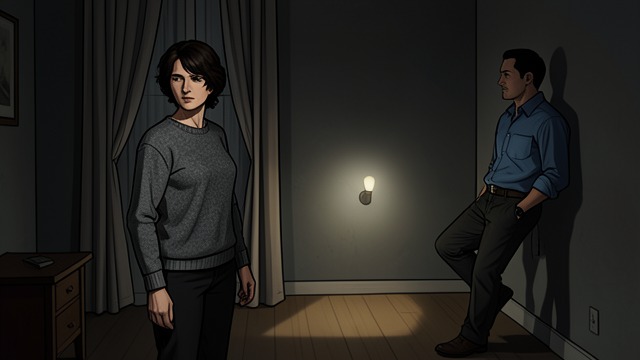
Silence at First
Information Withheld
Residents received little dependable guidance as the accident unfolded. Reassuring statements and the absence of public warnings left families to make decisions without critical facts.
The Cost of Delay
The silence did not stop exposure. It transferred risk to people who could not see contamination or judge which everyday actions had become dangerous.
Measurements Contradict Reassurance
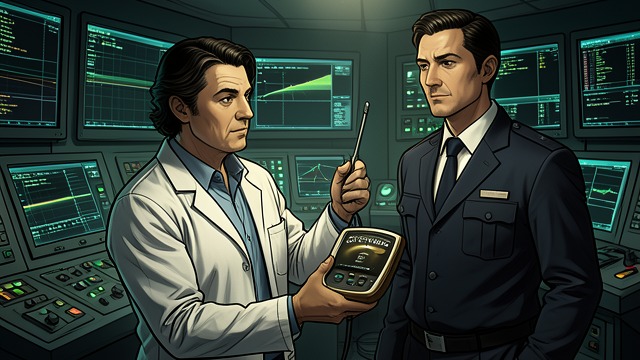
Measurements Contradict Reassurance
Scientists See Danger
Some specialists measured high radiation and urged protective steps or evacuation. Their findings clashed with official claims that the emergency was controlled.
Expertise Marginalized
Technical knowledge did not automatically produce public action. In a system where orders and political loyalty governed communication, evidence struggled to outrank reassuring authority.
The May Day Parade

The May Day Parade
Public Normality
Crowds attended the May Day parade while contamination remained a serious concern. Families and officials participated in a public ritual that suggested life continued normally.
A Visible Contradiction
Later recollections make the parade a symbol of information withheld and choices constrained by social expectation. Its festive appearance could not establish that conditions were safe.
Testimony Accumulates
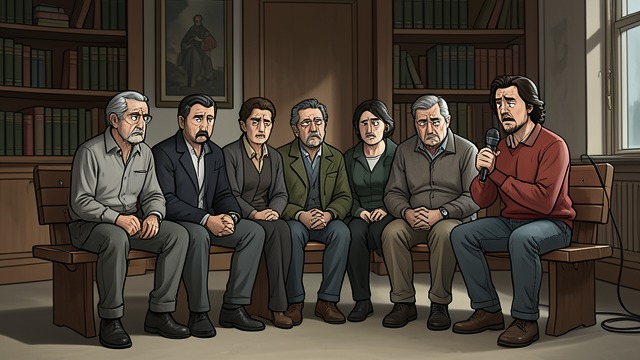
Testimony Accumulates
Personal Evidence
Residents, workers, doctors, and officials recount experiences that do not fit a single authorized story. Their differences expose uncertainty rather than erase it.
A Record Made of Voices
Collected monologues preserve the details that institutional accounts leave out: fear, routine, shame, affection, and contradiction. Testimony becomes a form of evidence as well as remembrance.
A Record for the Future
A Record for the Future
Beyond Immediate Facts
The narrator concludes that mechanical facts alone cannot represent what survivors experienced. Feelings, rumors, and uncertain memories also reveal how the catastrophe entered human life.
Witnessing Forward
The testimonies are presented as records of a future that others have not yet encountered. Their purpose is not to close the case, but to keep its consequences available for judgment and understanding.
April 26–May 1, 1986
Late April 1986
May 1, 1986
The decade after the accident
The book's concluding reflections
